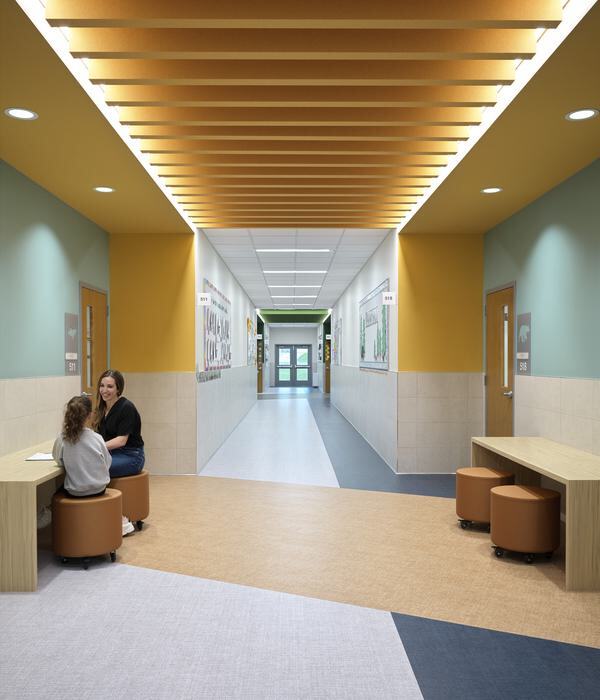
Parks and recreation spaces play a central role in bringing communities together. Through thoughtful design, these environments support connection, encourage active lifestyles and enrich everyday experiences for people of all ages.
Recreation naturally brings people together. From spontaneous games on a playground to organized leagues and community events, shared experiences connect people across generations and backgrounds.
Every interaction, whether planned or informal, contributes to a stronger social fabric.
At FGMA, we design recreational environments that foster these connections by creating welcoming, flexible spaces that reflect each community's unique needs and goals. Through thoughtful planning, open sightlines, accessible amenities and adaptable gathering areas, we create places where people of all ages feel comfortable coming together, participating in shared experiences and building lasting community connections.
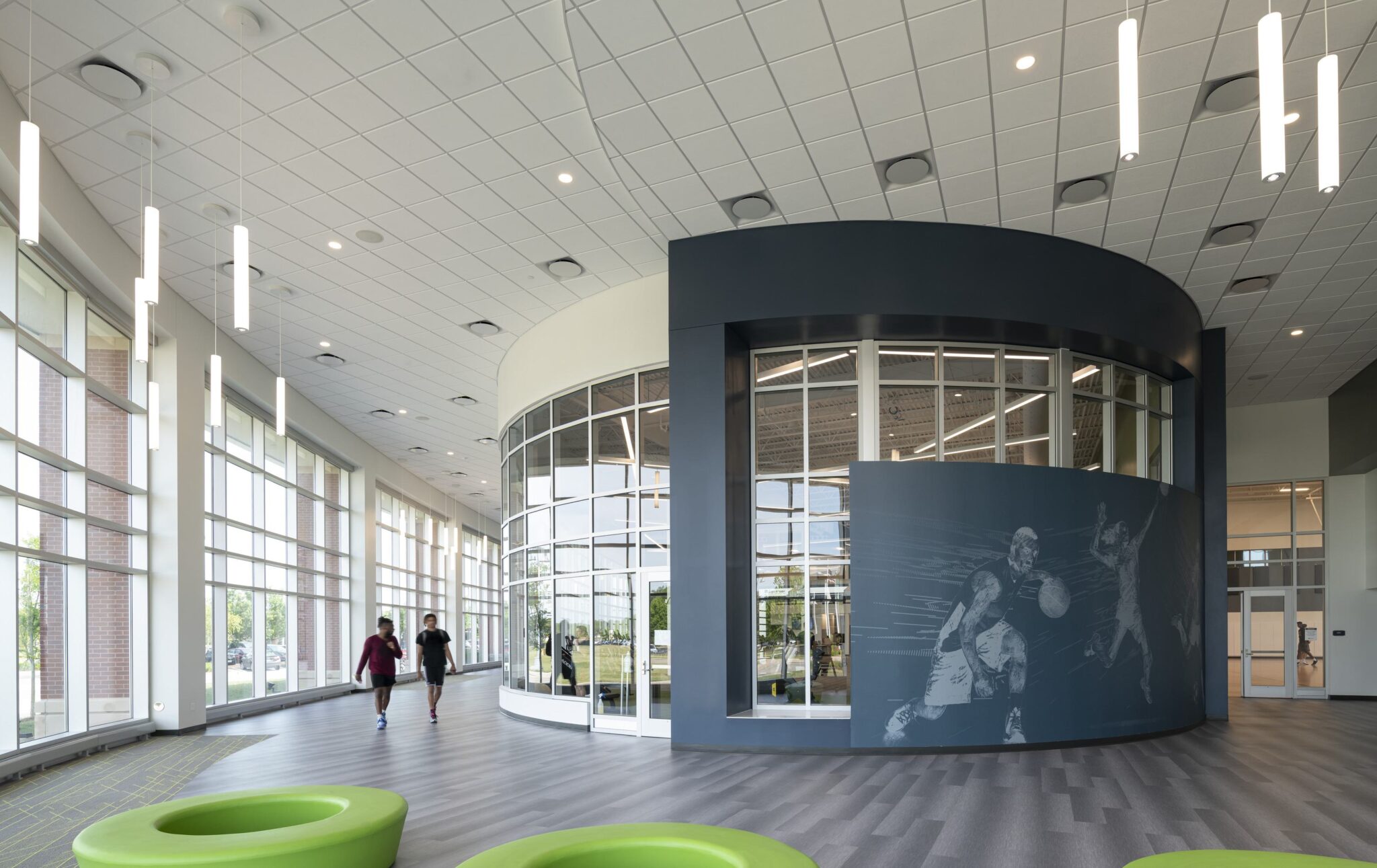
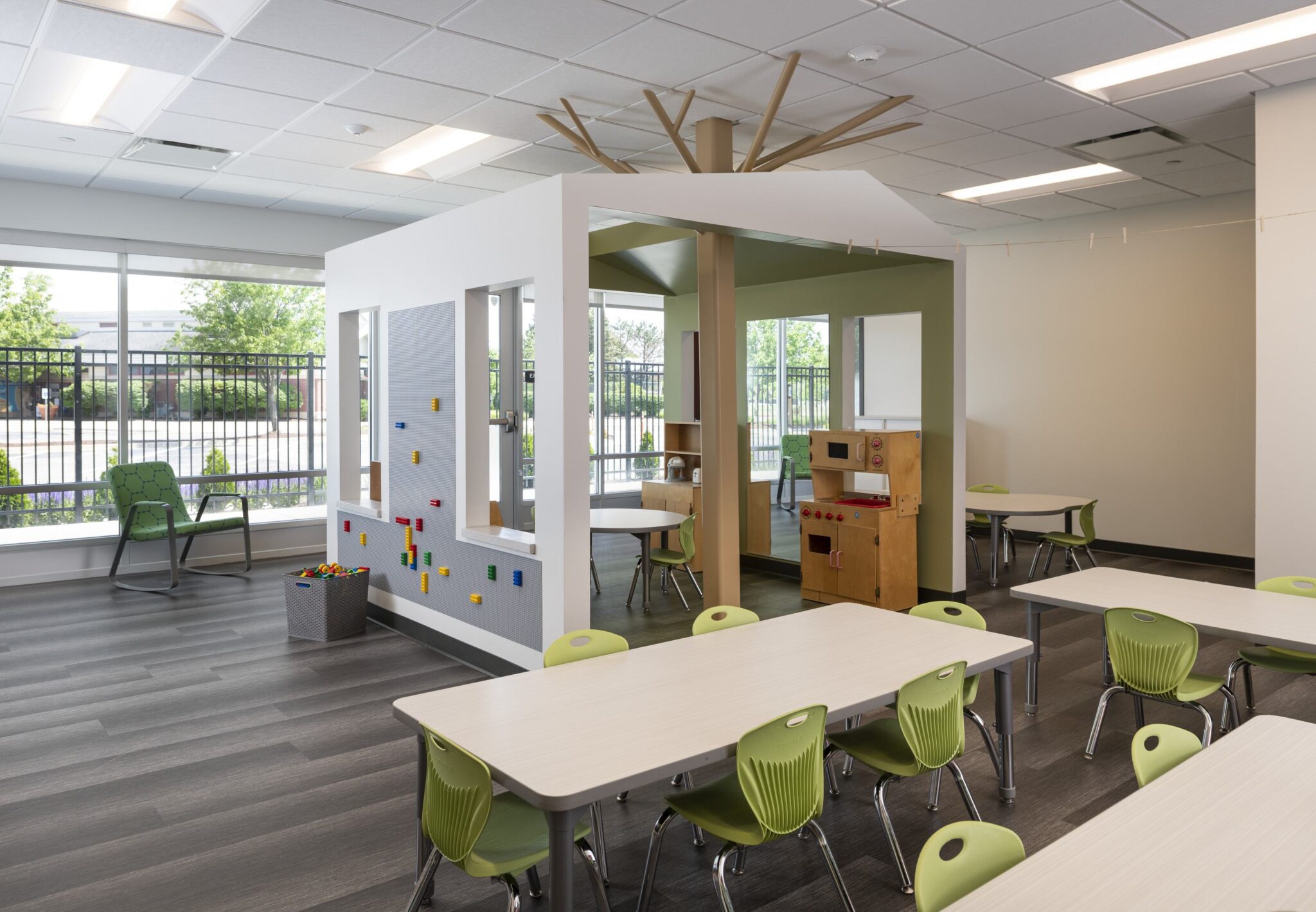
How the Wheeling Park District Brings Learning, Play and Wellness Together The Wheeling Park District's Community Recreation Center (CRC) campus renovation centered around community spaces, engagement and accessibility.
At the CRC, the preschool program for children ages two through five was relocated to the front of the facility, where a dedicated drop-off entrance improves access, strengthens security and supports better traffic flow throughout CRC campus.
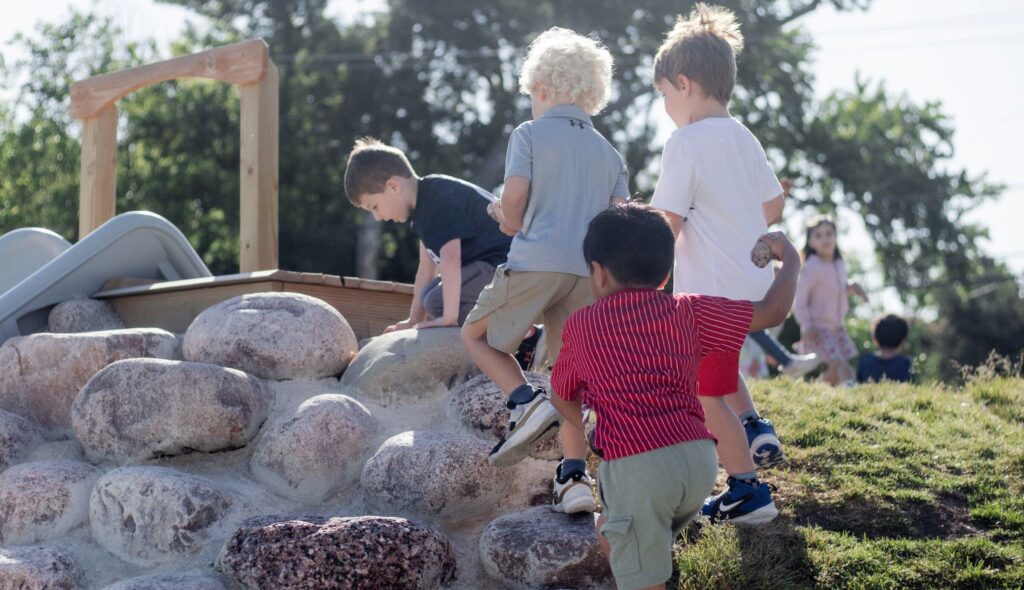
An updated outdoor playground also offers a wealth of colorful climbing and play equipment that enhances experiential and sensory learning.
The impact extends beyond engagement and accessibility by making recreation an everyday part of healthy living. Expanded fitness spaces, group exercise studios, an indoor walking track and a renovated indoor pool provide year-round opportunities for people of all ages and abilities to stay active.
A dedicated preschool wing, new gymnasium and flexible program spaces support early learning, youth sports, fitness classes and community events that bring residents together.
Together, these spaces encourage healthy habits, strengthen social connections and create meaningful opportunities for families to gather, play and grow as a community.
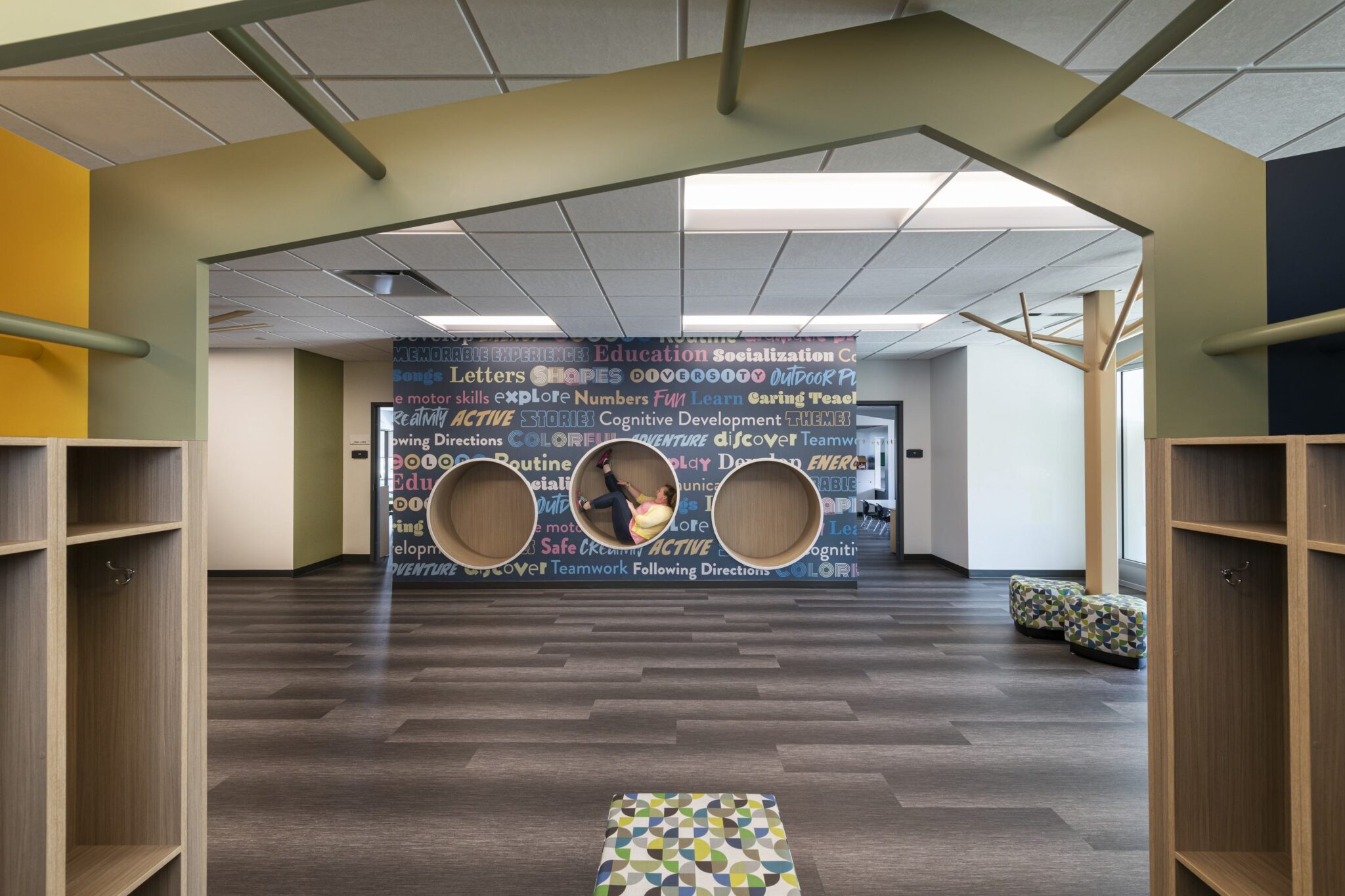
Thoughtful design can foster both activity and connection. By shaping environments that invite exploration, play and gathering, these places encourage relationship-building and support everyday wellness.
The same principles apply across a wide range of recreational experiences. Whether supporting athletics, family activities or community programming, these destinations provide opportunities for movement, learning and social interaction while contributing to overall well-being.
Where Recreation and Community Life Meet in O’Fallon, Illinois
Community Park in O’Fallon exemplifies how recreation-focused design can strengthen both wellness and community life. The enhancement project introduced new aquatic amenities, gathering spaces, event facilities and park improvements that expand opportunities for residents of all ages to be active, connect with others and participate in community events.
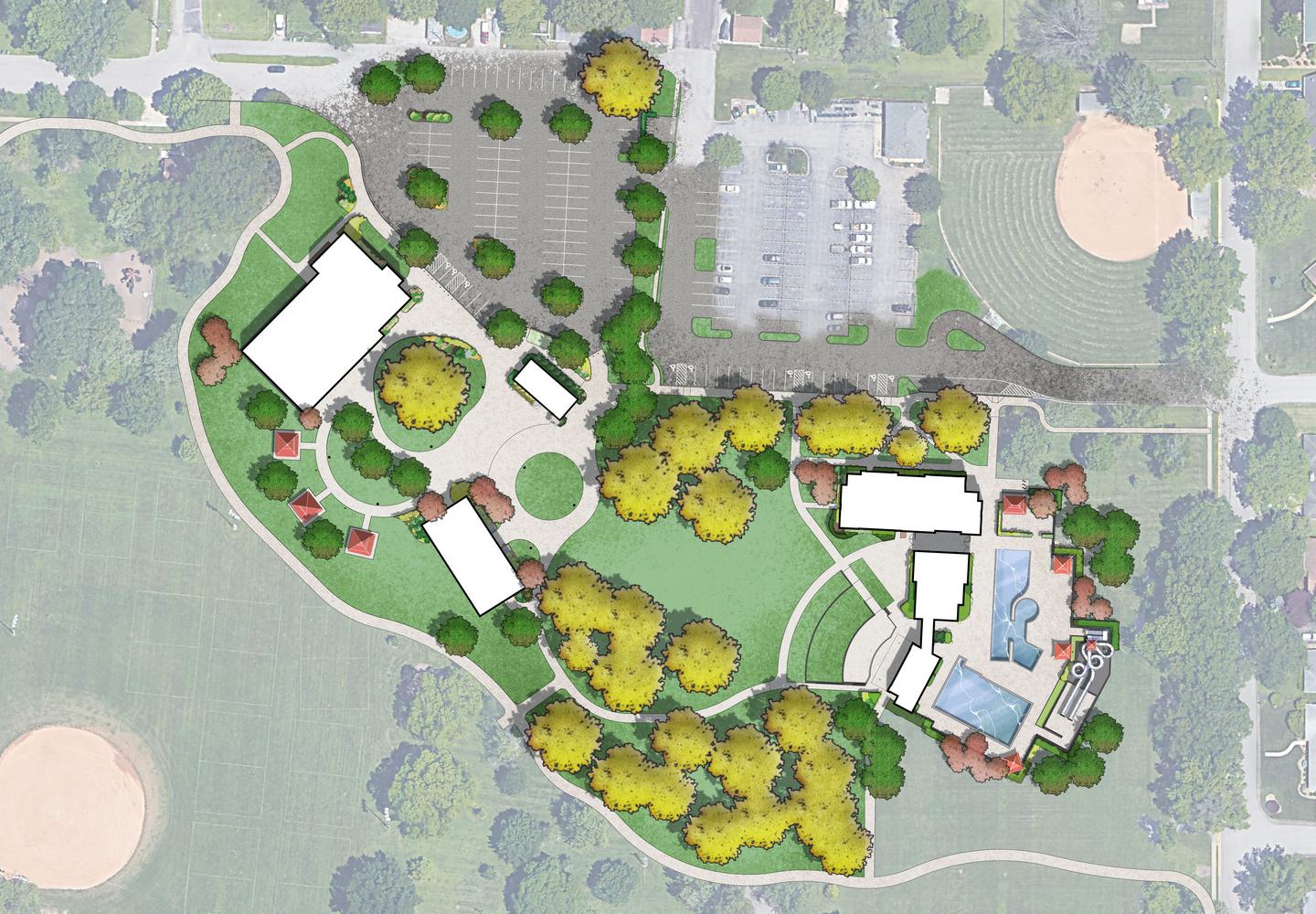
Building on the park’s long-standing role as a community hub, the improvements reflect a broader vision for the future. For decades, Community Park has served as a gathering place for families, neighbors and visitors. As aging facilities reached the end of their useful life, city leaders recognized an opportunity to move beyond simple replacement and invest in amenities that would better support evolving community needs and experiences.
Community Park earned the Transformation Award for its commitment to community impact at the 2026 O'Fallon-Shiloh Chamber of Commerce Salute to Business Awards.
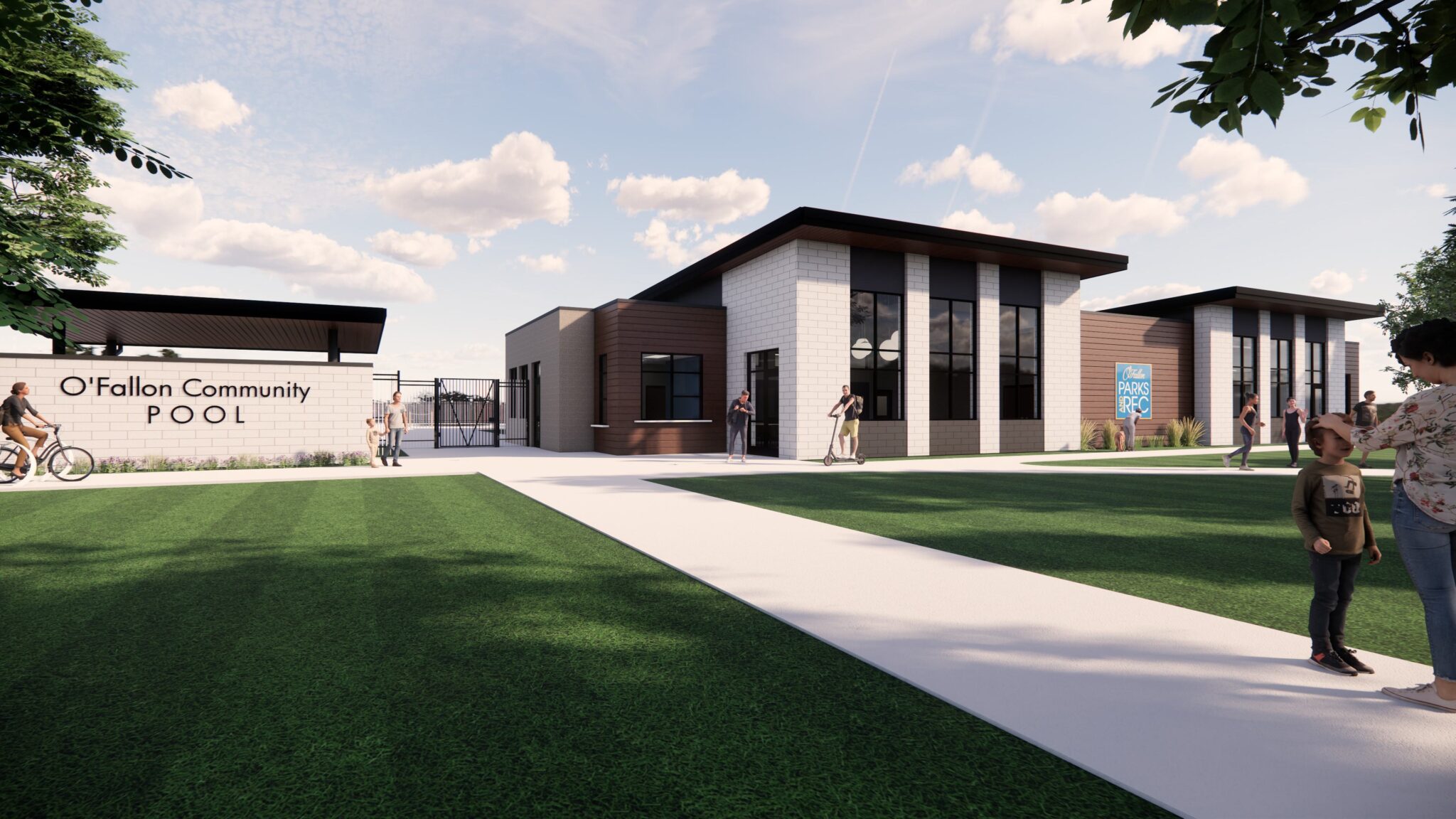
Thoughtful design makes healthy choices more accessible, appealing and inclusive. Recreation, wellness and community are deeply connected, each reinforcing the other through shared experiences and welcoming environments.
Supporting Wellness Through Inclusive Community Design
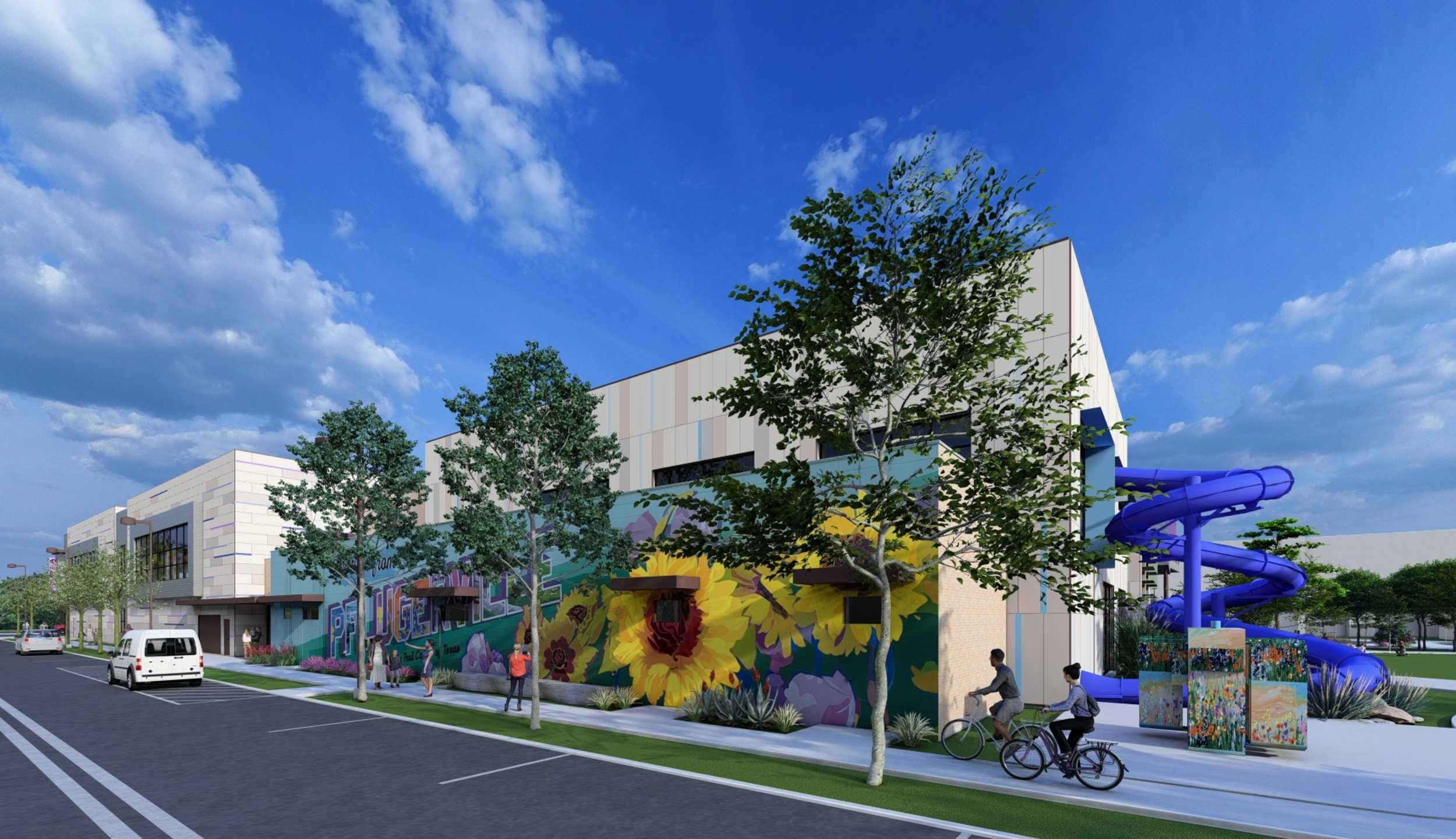
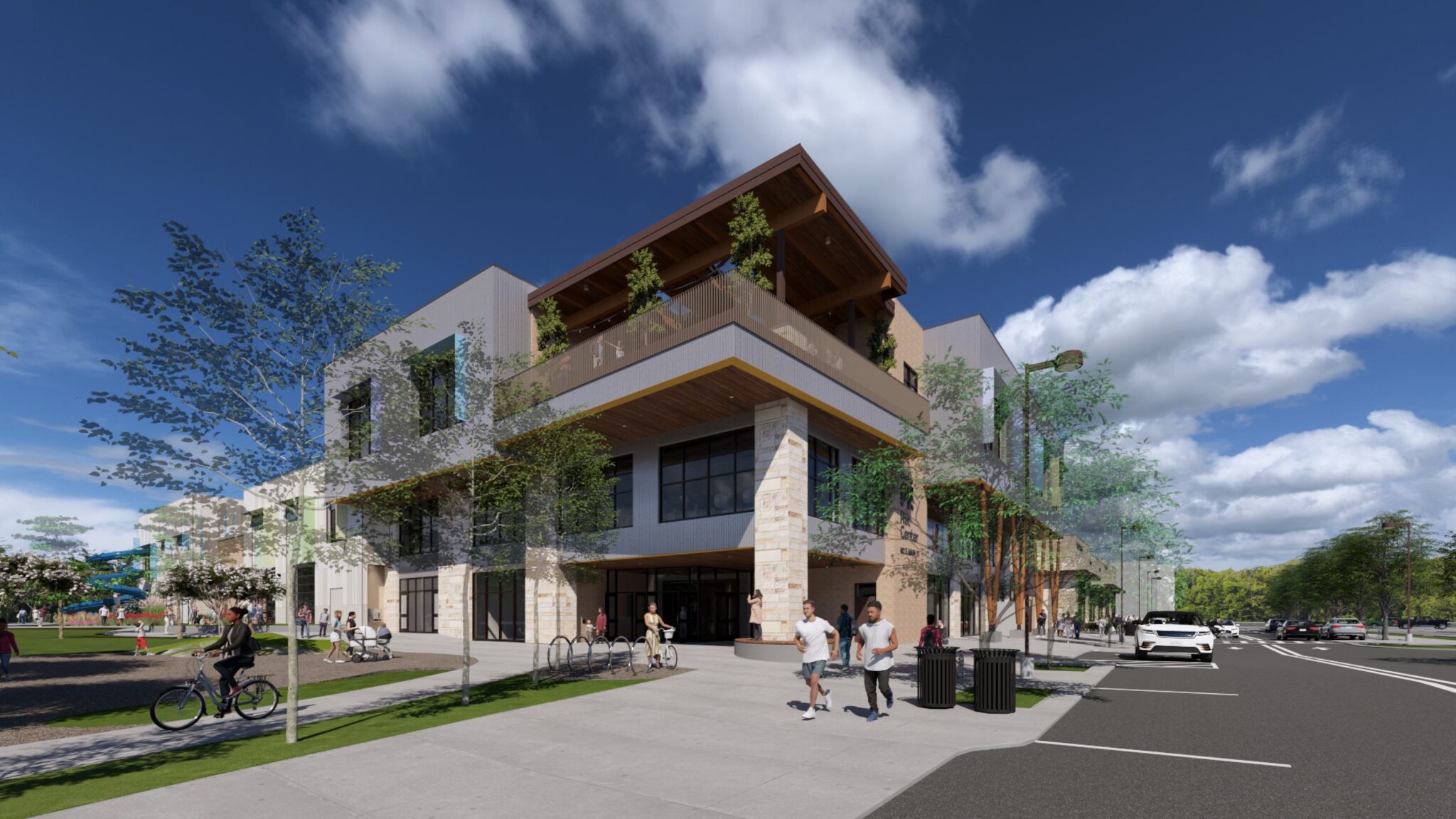
The Monarch Recreation Center — part of Pflugerville’s Downtown East Project — showcases how thoughtful design makes healthy choices more accessible and inclusive. The recreation center will add to this larger vision of a community hub that will create a sustainable, socially vibrant area for residents. Designed in collaboration with developer Griffin Swinerton and BRS Architecture, the center will include:
A leisure pool with waterslides, zero-depth entry area, therapy components and adjacent party rooms
44,000 square feet of gymnasium/tournament court space
Fitness machines
Indoor and outdoor turf space
An elevated adventure track
A senior lounge
* An entire level dedicated to hosting special events
The center also serves as a trailhead for the city’s extensive trail system which makes Pflugerville the official Trail Capital of Texas. Finally, the center includes retail spaces which will provide recreational adjacent services for visitors.
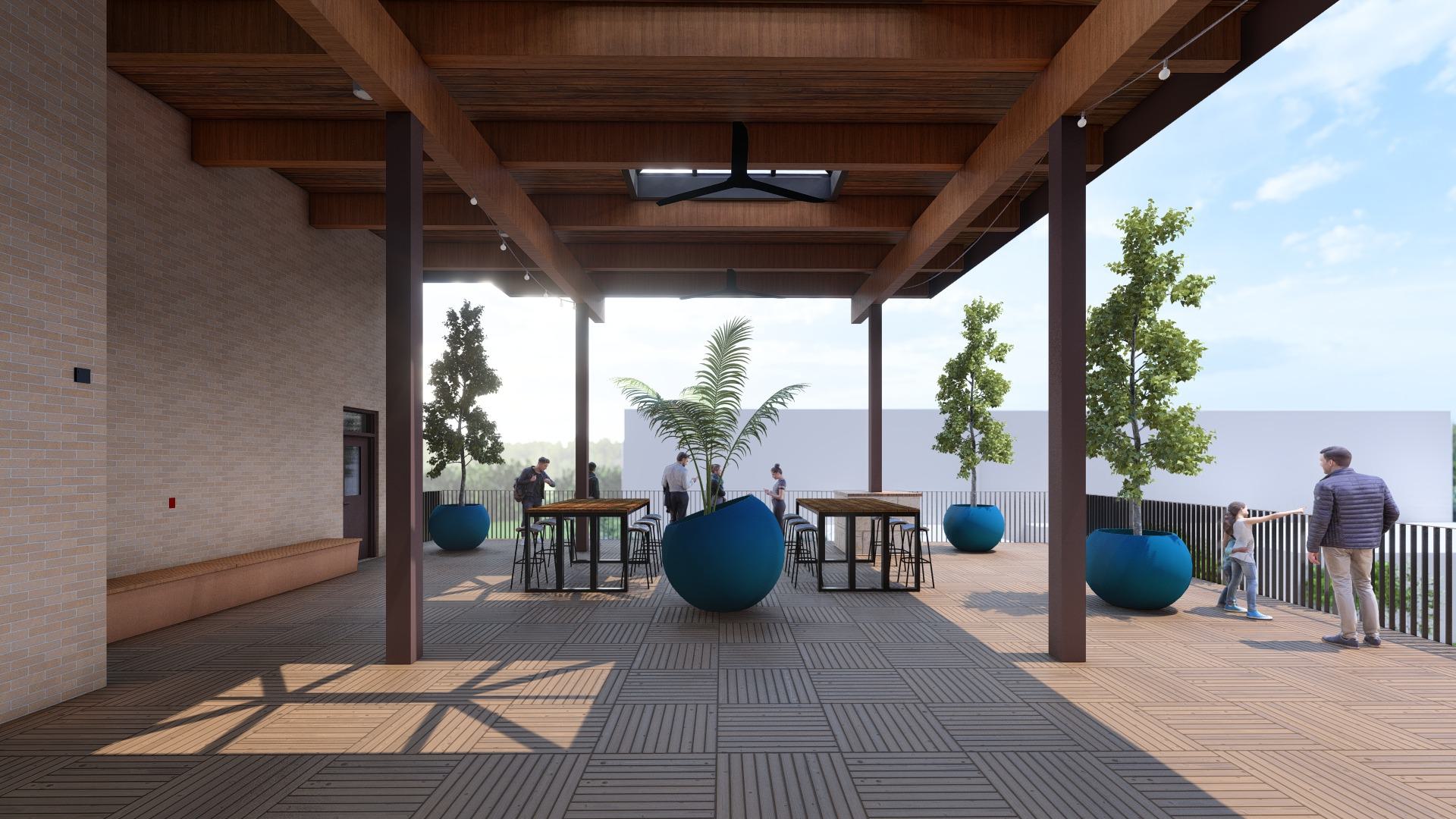
By creating welcoming spaces for a wide variety of uses and activities, the center encourages both physical activity and community connection, demonstrating how recreation, wellness and community reinforce one another through shared experiences.
Accessible and inclusive facilities like this are important because they improve quality of life, promote public health and help cities build stronger, more connected communities.
Inclusive design is essential to fostering places where everyone feels valued and supported. When accessibility is considered from the beginning, recreational environments can better serve people of all ages, abilities and backgrounds. Natural elements, comfortable gathering areas and intuitive layouts further enhance the experience, promoting a sense of ease and connection.
The Power of Parks and Recreation to Strengthen Communities Intentionally designed parks and recreation environments extend the benefits of design to the full diversity of a community. During NRPA’s Parks and Recreation Month, the theme “The Power of” reminds us that these places bring people together, strengthen health and well-being and build more resilient, connected communities. When people see themselves reflected in a place and feel comfortable participating in it, that destination becomes more than functional. It becomes a meaningful part of community life.
Community engagement is essential to creating spaces that reflect the people who use them every day. By inviting residents, staff and community members into the planning process, a project will deliver a deeper understanding of local values, priorities and aspirations. These conversations reveal the power of connection, where relationships grow, cultures meet and communities bond. These conversations help shape design solutions that feel authentic, responsive and rooted in shared purpose.
By designing parks and recreation environments that promote connection, play, nature, well-being and belonging, we help shape destinations that strengthen communities and support people throughout every stage of life. These are the places where play fuels creativity, nature restores, welcoming programs help every person feel valued and the power of what connects us becomes part of everyday life.