


Back
A Focus on Wellness for a Healthier School Environment
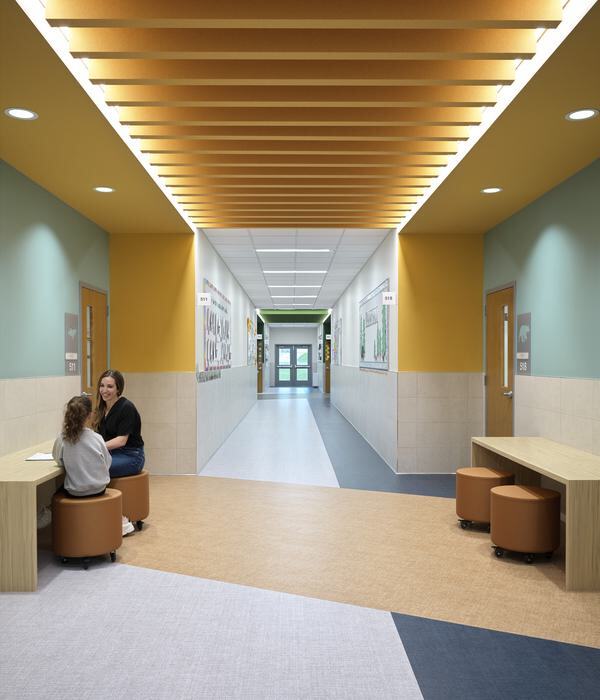
The physical spaces in schools can support a healthier school environment, promoting the overall wellbeing of students, teachers, and staff.
By Paul Klee, AIA, ALEP, LEED AP, NCARB, LE Fellow, Design Principal at FGMA
Originally published in Next Generation Learning Challenges in May 2026
Innovations in teaching and learning have had little impact on modern space planning and school architecture. We know that students and teachers do better when they have variety, flexibility, and comfort in their environment. This series examines how next generation learning spaces impact the learning experience for students and their teachers. If you have the opportunity to design a new school building or renovate an existing building, or if you are interested in using space better in your school, this series can help ensure that the physical spaces in your building promote the skills students need to thrive and contribute to an ever-changing global society.
Focusing on wellness in schools is an essential component of creating a healthier, more supportive learning environment. By addressing physical, mental, emotional, and social wellness, schools can empower students and staff to thrive academically, personally, and socially. When wellness is prioritized, it leads to improved academic outcomes, stronger community bonds, and a positive school climate that nurtures lifelong well-being.
Teaching and learning are most successful when there is a holistic experience, nurturing the mind, body, and spirit. Occupant well-being can be boosted significantly with connections to nature and the use of natural materials like sunlight, plants, water, wood, and stone. ScienceDirect indicates that stress reduces, productivity increases, and attention is energized when school environments are designed with optimized thermal comfort, abundant natural daylighting, fresh air, and a natural material palette.
The physical environment can promote, support, and educate students about proper nutrition and regular physical activity. Some ways to focus on wellness include integrative living walls or preserved moss wall panels in group study areas, a color-changing LED bubble wall in a library area, a food nutrition lab that connects to an outdoor garden near the cafeteria, or spaces that maximize opportunities for physical activity as part of the school day.


One way to start is to pilot the 14 Patterns of Biophilic Design strategies to enhance the students’ daily connection with nature inside, and gather empirical evidence during the pilot to back up your decisions. Additionally, consider strategies that go beyond LEED and Biophilia to enhanced air, acoustical, lighting, thermal comfort, and physical fitness benefits. For example, the WELL Standard (www.standard.wellcertified.com) promotes equitable health and wellbeing for students and staff.
Focusing on wellness for a healthier school environment is crucial in promoting the overall well-being of students, teachers, and staff. When wellness is prioritized in schools, it leads to improved academic performance, better mental and emotional health, and stronger school communities. A holistic approach to wellness addresses physical, mental, emotional, and social aspects of health, creating an environment where everyone feels supported and empowered to thrive.
To learn more about key areas to focus on when working toward a healthier school environment, continue reading this article in Next Generation Learning Challenges.
News & Insights
All Articles
Carrying Their Stories Forward: The Lasting Legacy of 9/11 in the Fire Service
