From Career Preparation to Regional Impact: Designing CTE Spaces for Higher Education
Across higher education institutions, workforce education programs are expanding pathways into essential industries. These programs are becoming central to how colleges and universities respond to workforce needs. They connect academic purpose with student mobility, helping student and adult learners gain skills, credentials and confidence to enter fields in growing demand.
The most effective environments reflect a broad view of what higher education can make possible. They support faculty expertise, industry collaboration and hands-on instruction while helping institutions adapt as technology, teaching methods and regional employment needs evolve.
Designing these environments requires a team that understands the academic mission and the operational realities behind career-focused learning. With the right planning and design process, institutions can create spaces that serve students today and remain relevant over time.
Thoughtful planning turns workforce goals into learning environments that work for students, faculty and industry partners. The following projects show how FGMA has helped higher education institutions create flexible, hands-on spaces that support career preparation, strengthen partnerships and extend the value of workforce programs beyond the classroom.
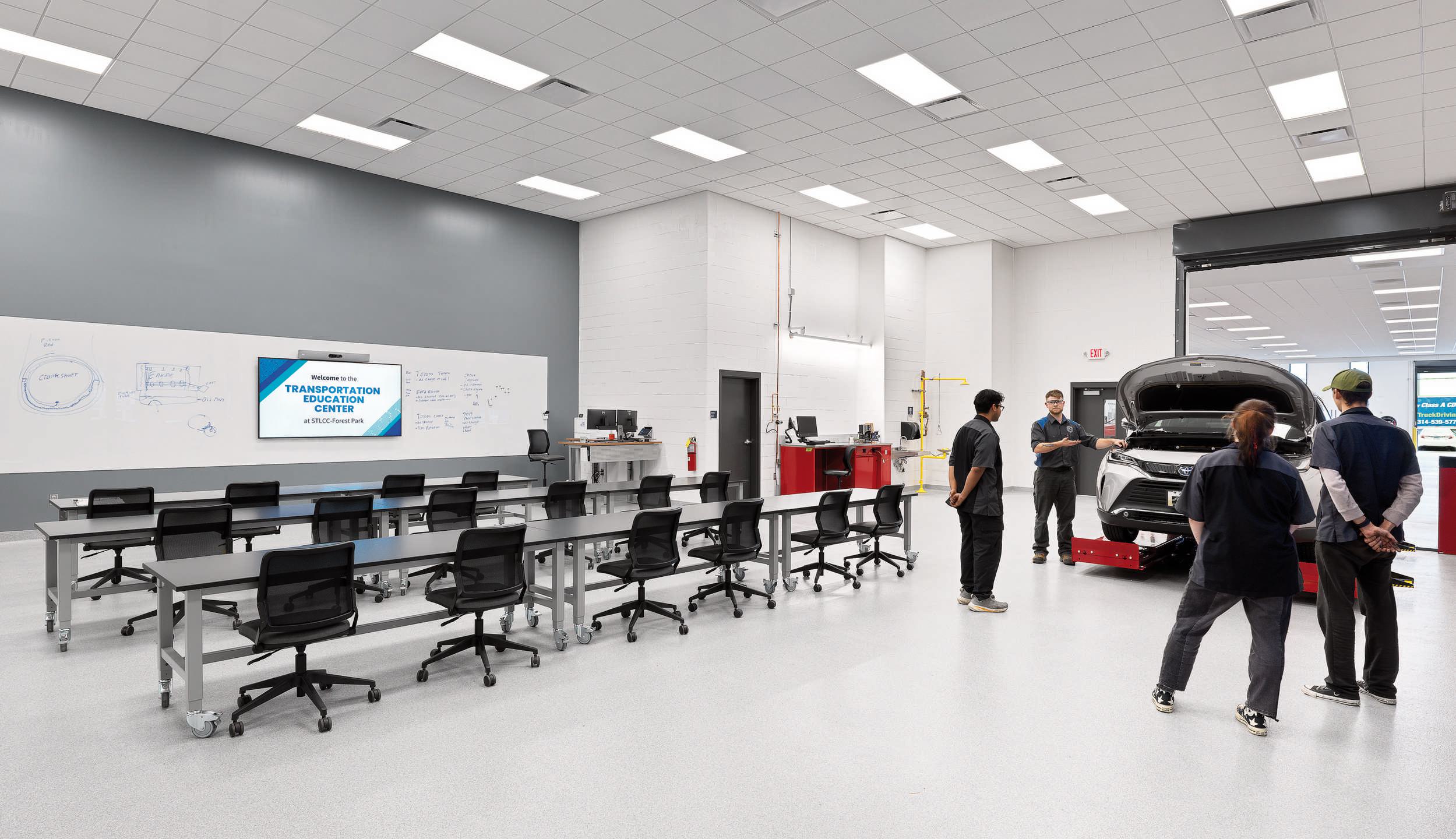
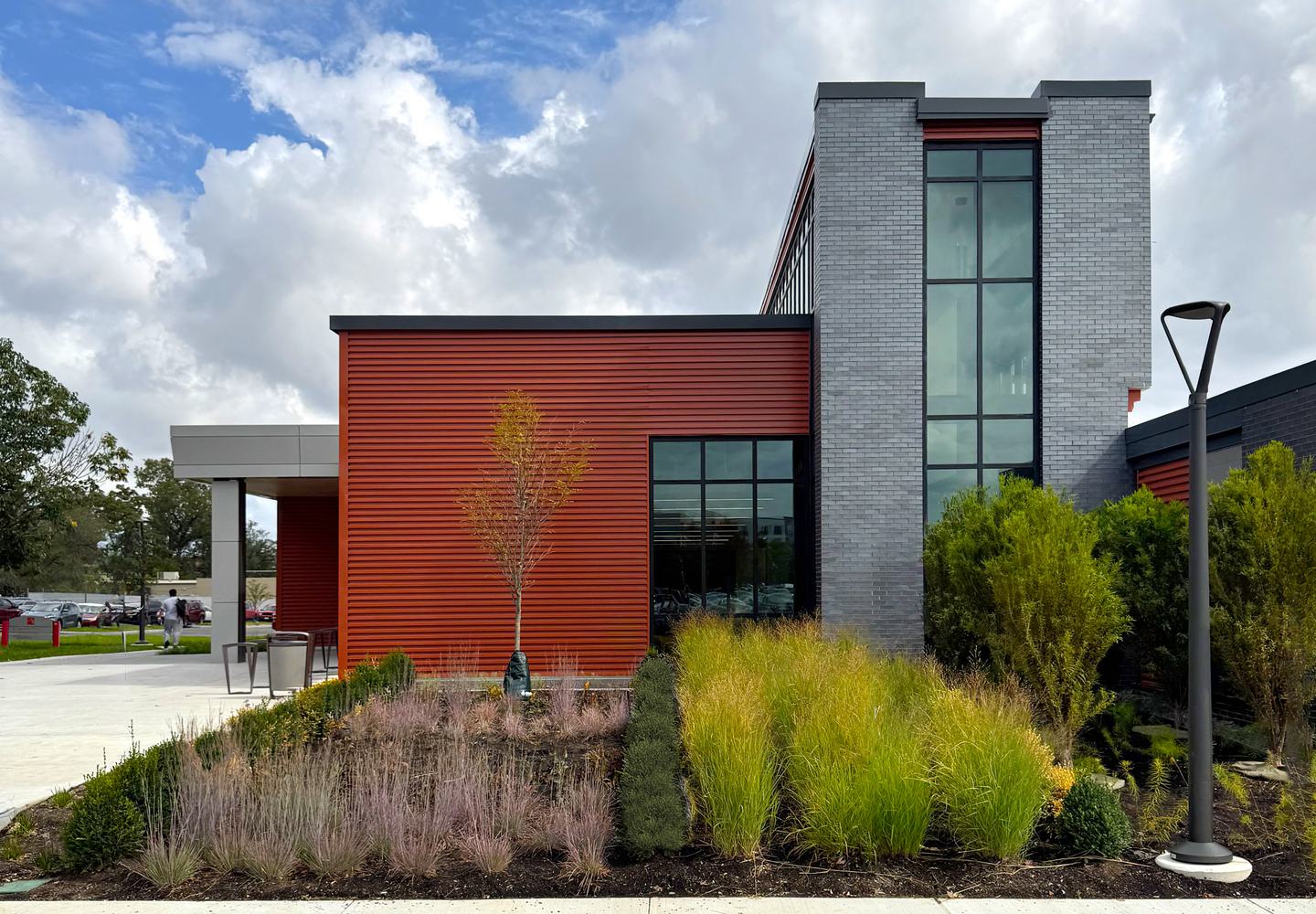
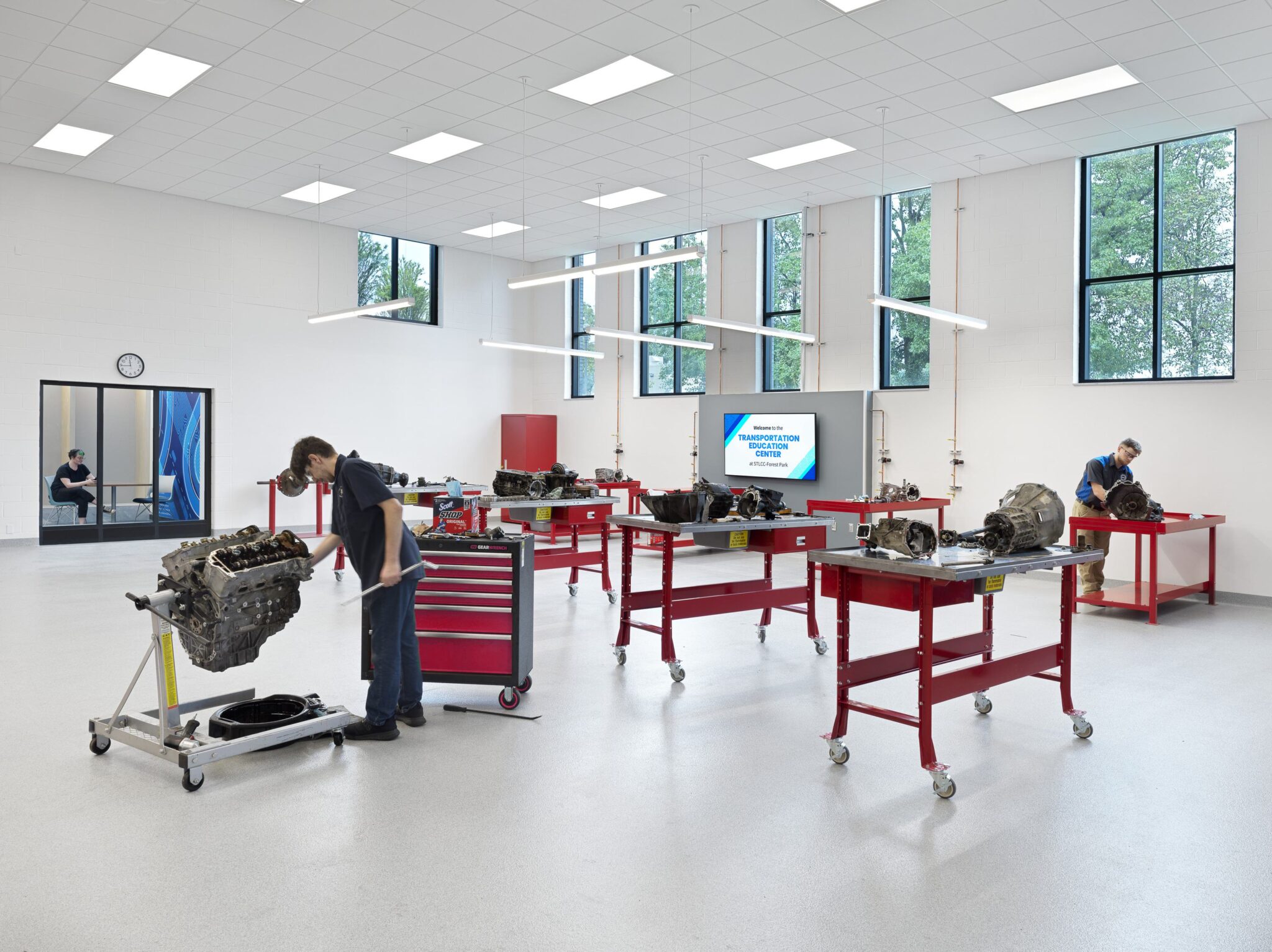
St. Louis Community College Transportation Education Center
* Challenge: St. Louis Community College’s automotive, diesel technology and commercial driver training programs were previously housed in separate facilities, limiting opportunities for collaboration, visibility and a unified student experience.
* Solution: The new Transportation Education Center brings all programs under one roof, with transparent design elements and expansive views that puts learning on display and connects students to real-world industry environments.
* Impact: By creating a centralized, modern training hub, the facility enhances student engagement, promotes cross-disciplinary learning and helps prepare the next generation of skilled transportation professionals for high-demand careers. Watch the video >>>
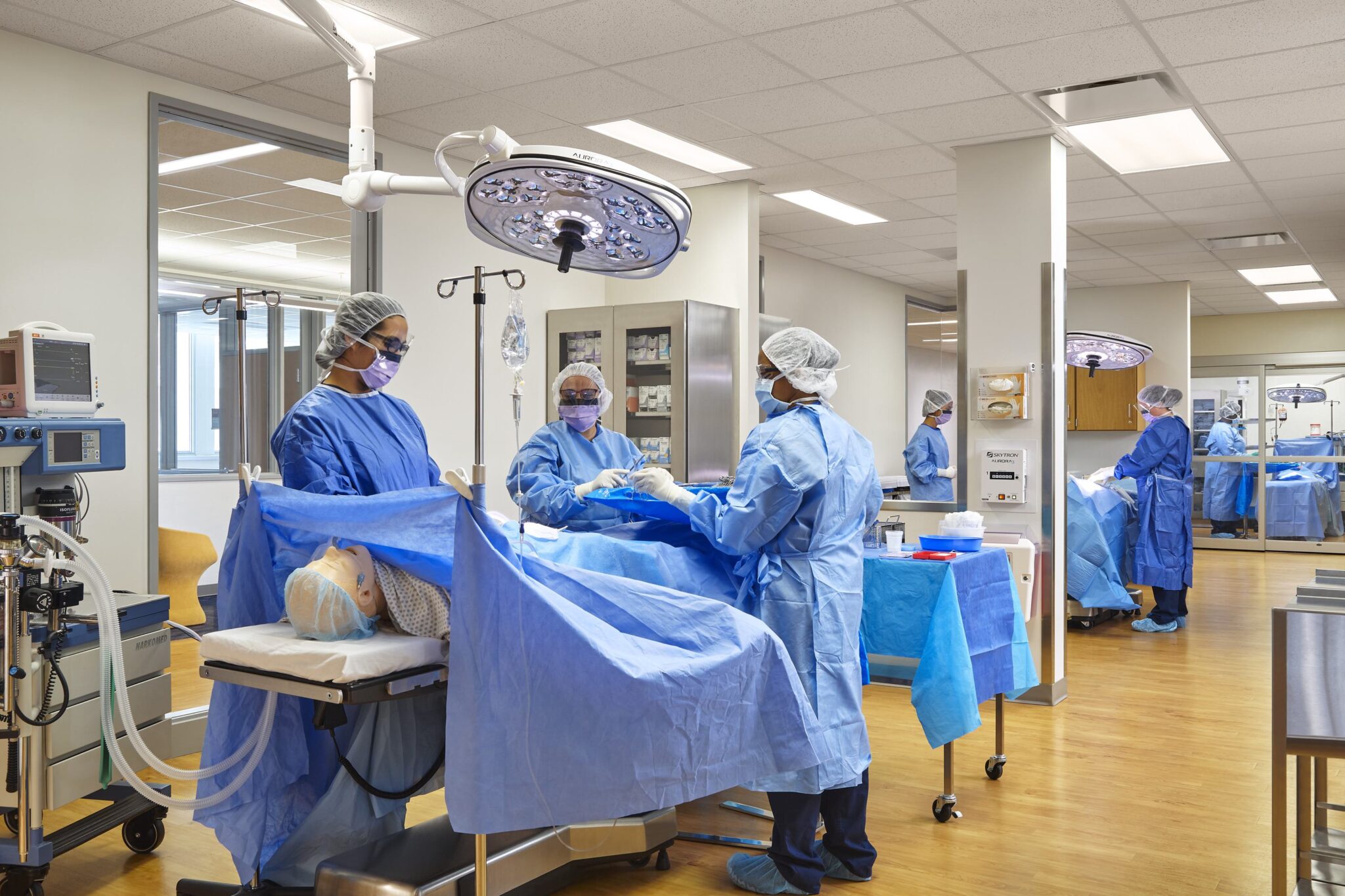
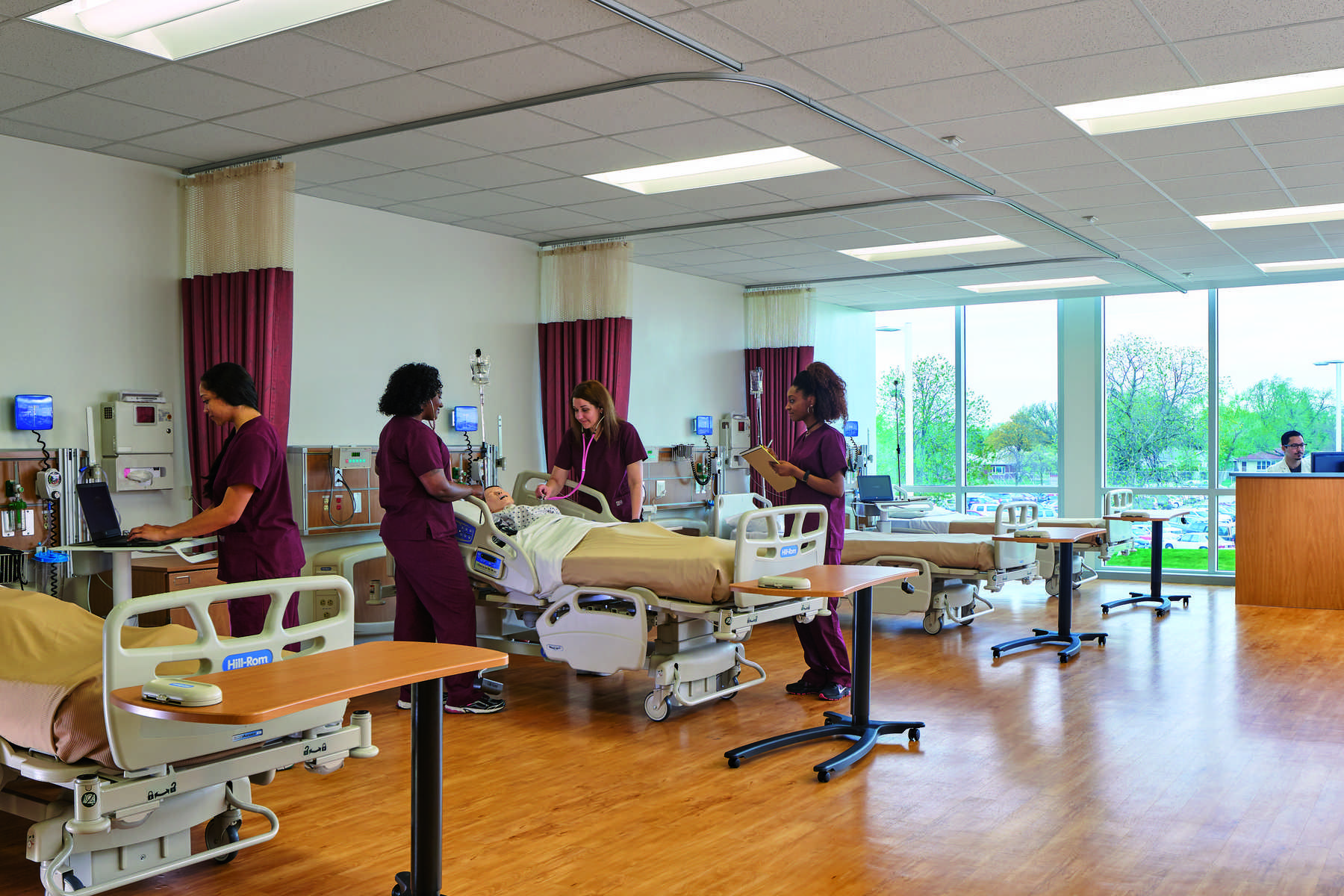
Triton College Health & Sciences Careers Facility
* Challenge: Triton College needed flexible health sciences spaces that could keep pace with evolving healthcare technology and patient care practices.
* Solution: FGMA transformed an outdated industrial arts facility into simulation labs, flexible learning spaces and adaptable teaching environments. Close collaboration with faculty and lab specialists ensured the design supports current instruction and future program changes.
* Impact: The project balances specialized healthcare training with long-term adaptability.
Harper College Emergency Services Training Center
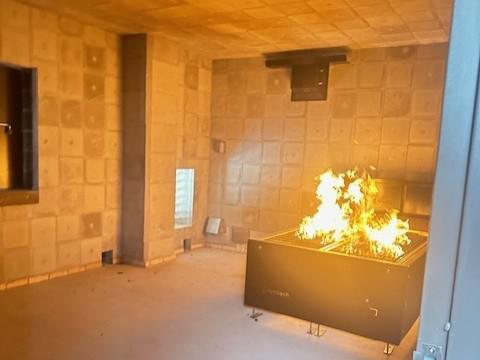
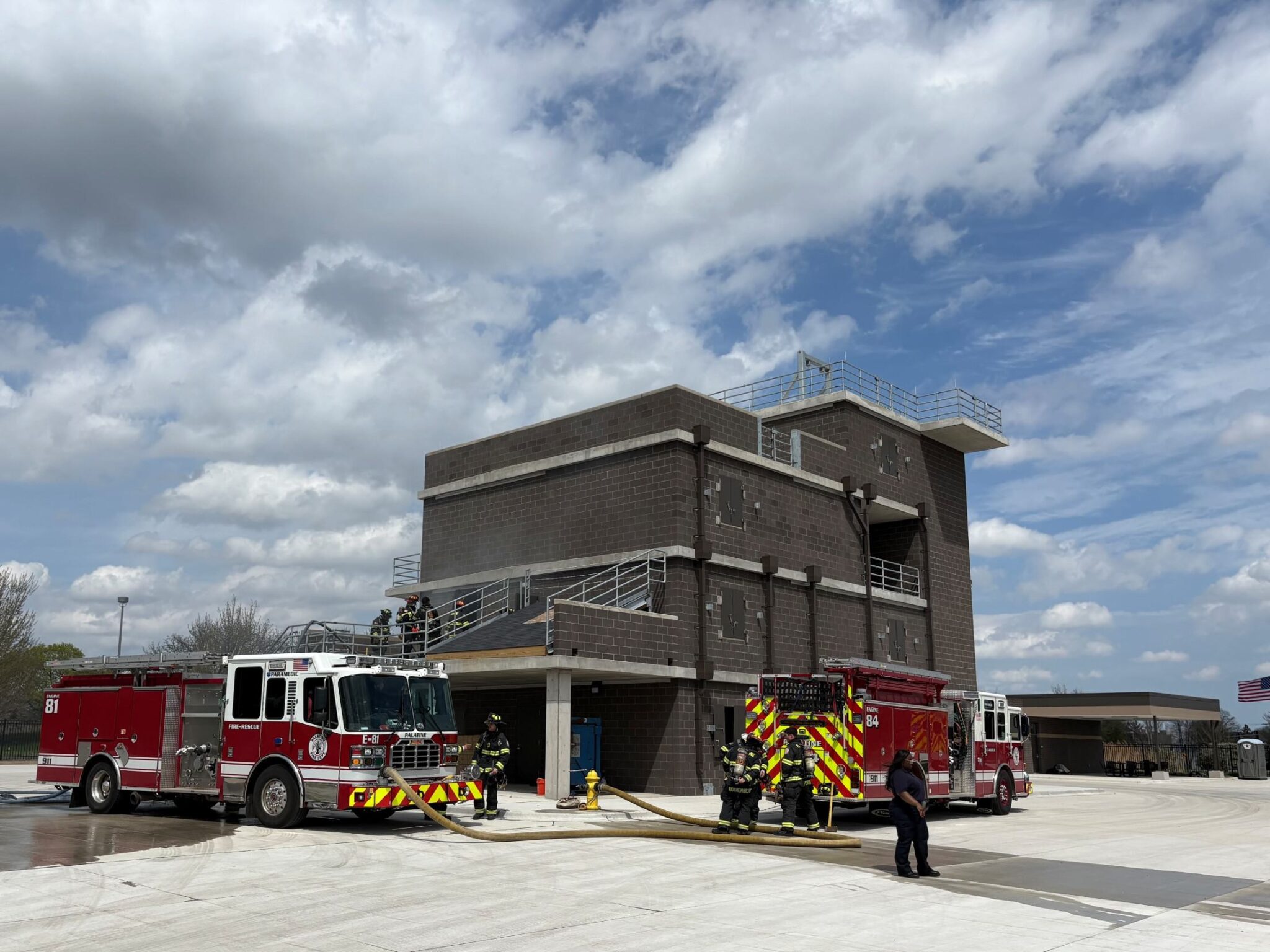
* Challenge: Harper College needed real-world training environments for future firefighters and experienced first responders and local municipalities were in search of facilities to support stated mandated training and certifications.
* Solution: The new Emergency Services Training Center is a four-story tower with live-fire training, simulation technology and flexible emergency response spaces. The project leverages partnerships among higher education, neighboring communities and their public safety agencies.
* Impact: The center delivers specialized training environments that serve students and working professionals, strengthening regional workforce pipelines and helping build networks and relationships early.
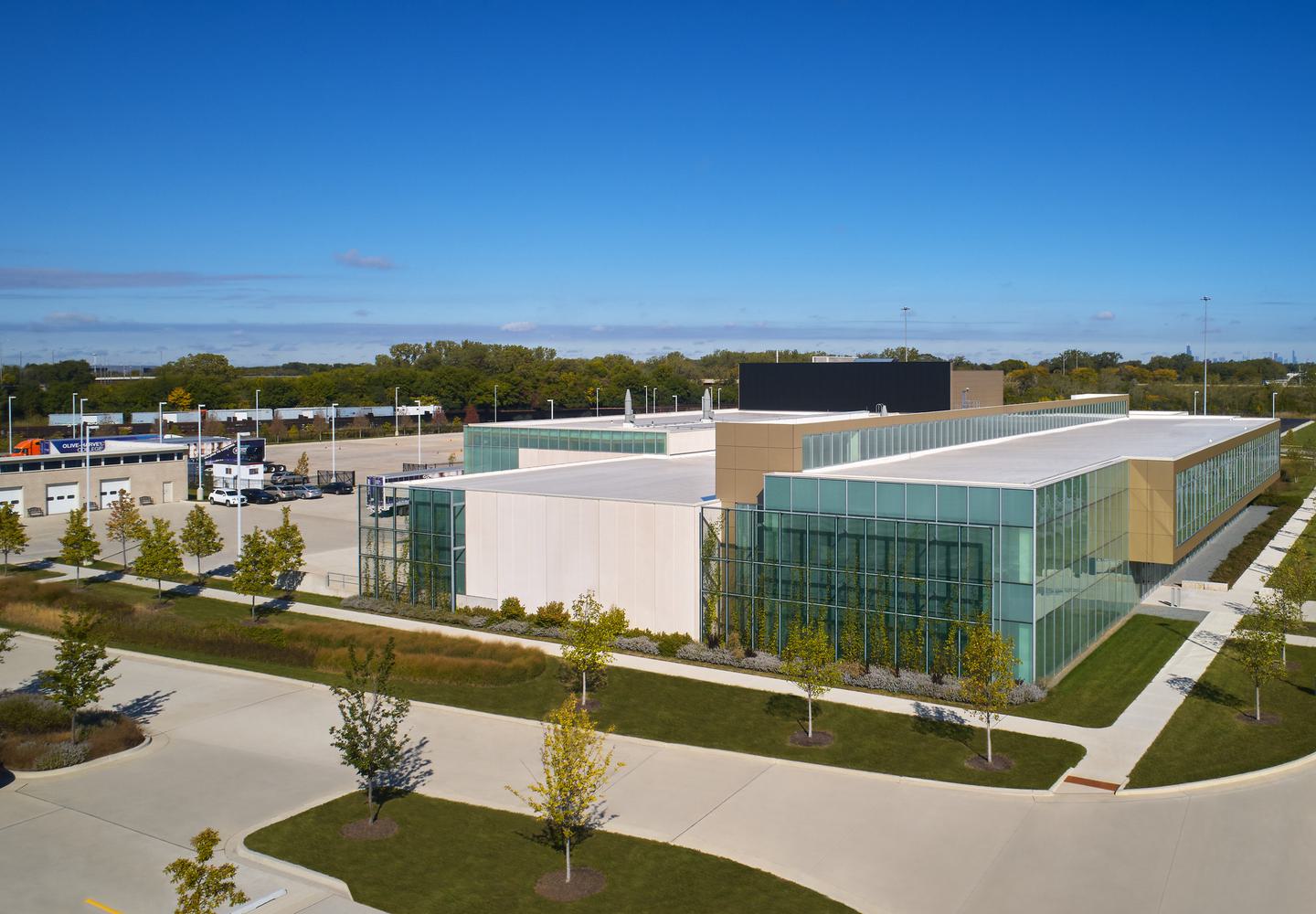
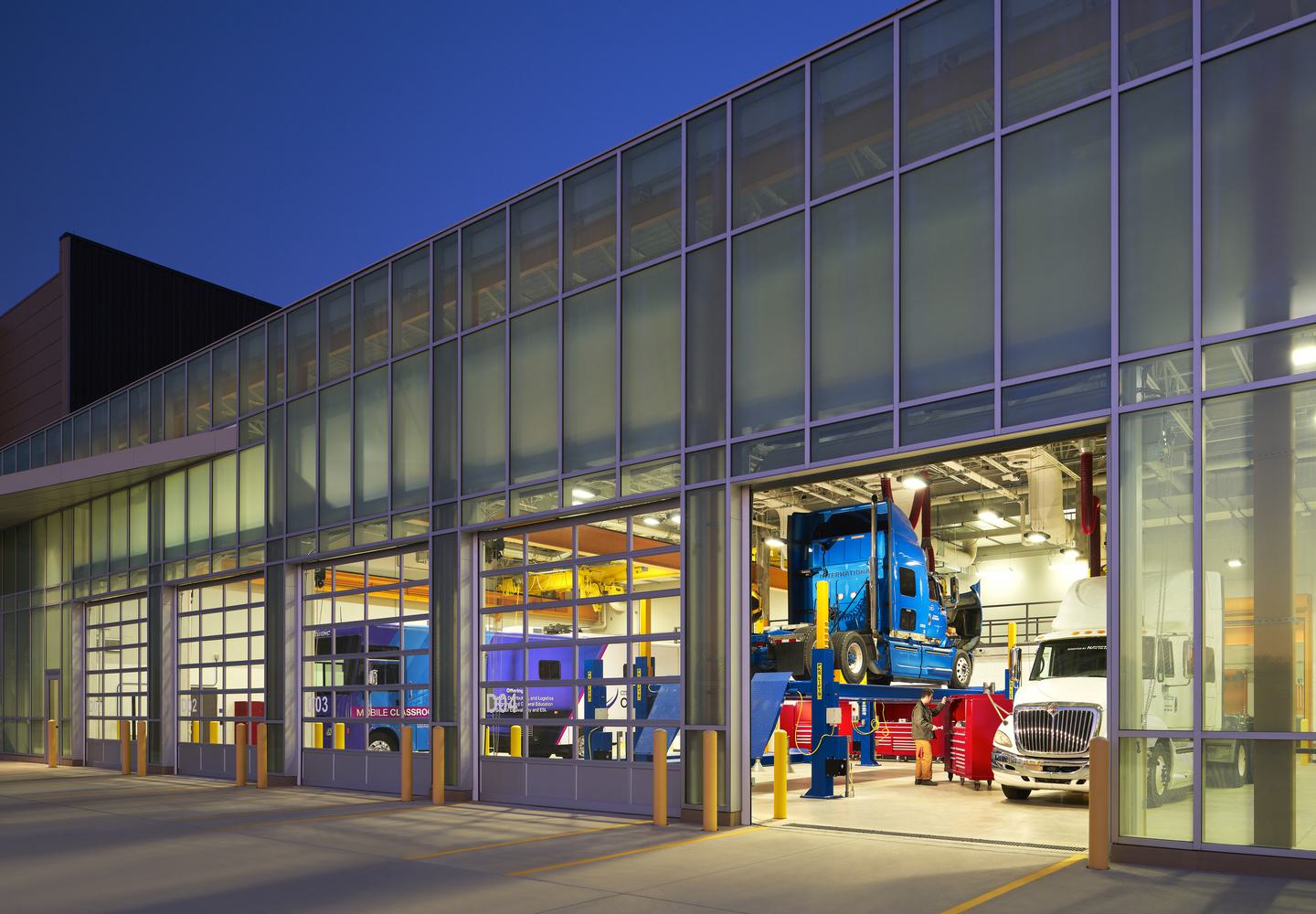
City Colleges of Chicago Transportation, Distribution + Logistics Center
* Challenge: City Colleges of Chicago needed a first-of-its-kind Transportation, Distribution and Logistics Center that went beyond classrooms to immerse students in a global, high-demand industry.
* Solution: FGMA designed hands-on learning environments with automotive and diesel labs, simulators, vehicle bays, testing facilities and a high-tech warehouse to train up to 6,000 students annually. The center also supports Chicago’s South Side as a key contributor to the city’s long-term vitality.
* Impact: The project translates industry operations into authentic educational experiences while preserving flexibility for future workforce needs.
Southern Illinois University Transportation Education Center
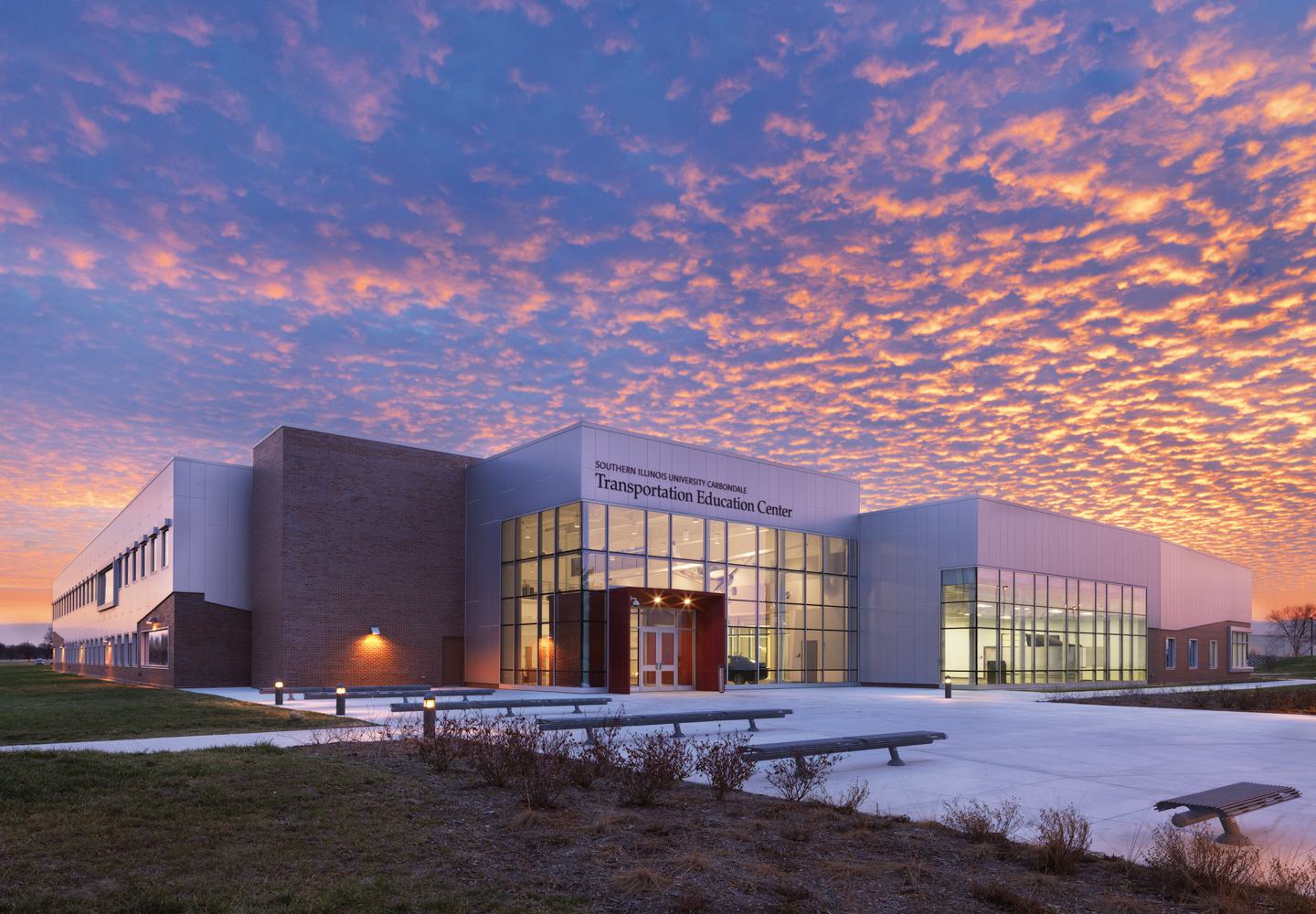
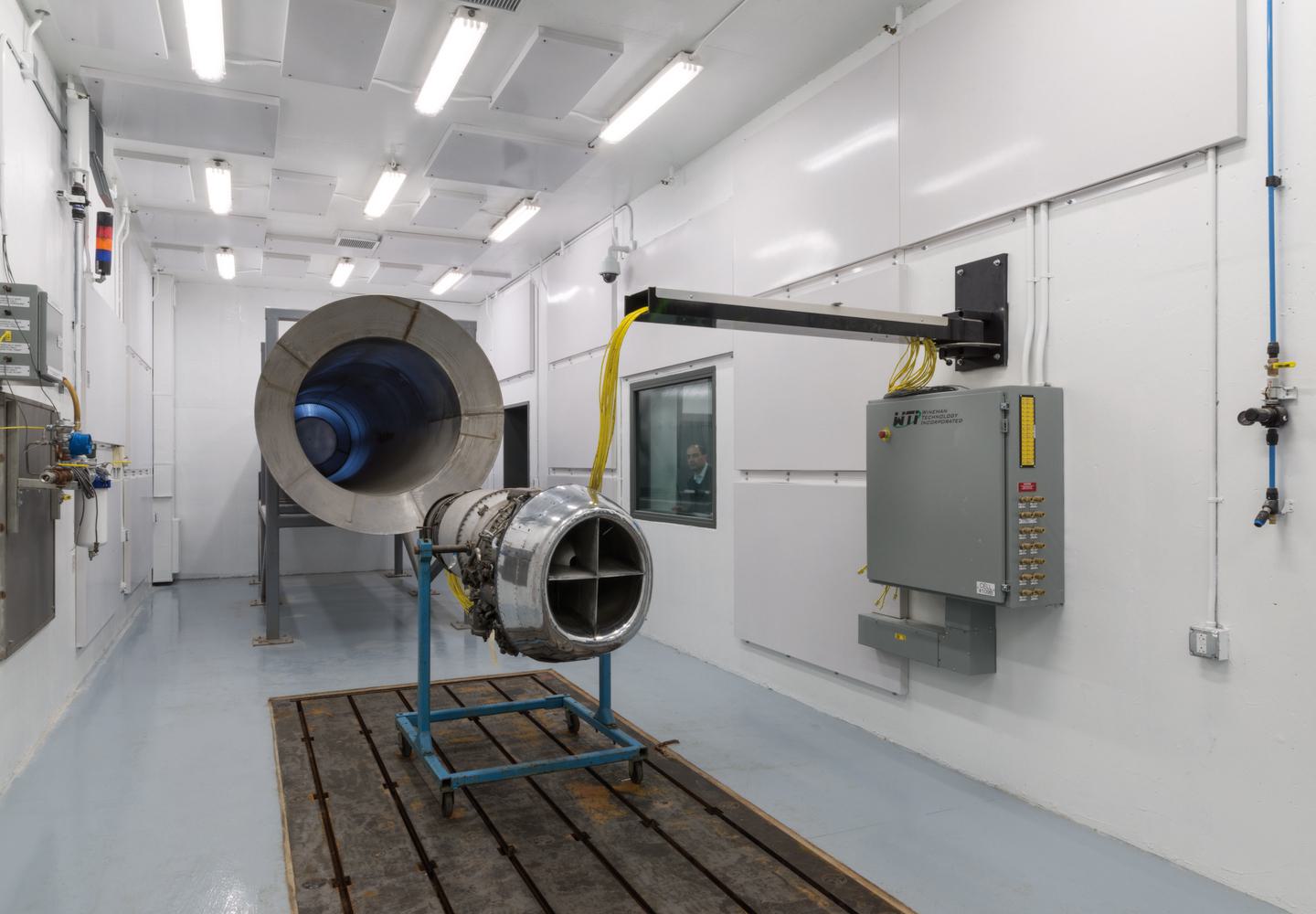
* Challenge: Southern Illinois University sought a facility that would strengthen industry partnerships while supporting its nationally recognized aviation, automotive technology and transportation education programs in a rapidly evolving workforce landscape.
* Solution: The Transportation Education Center unites advanced learning environments—including flight simulators, automotive service bays, demonstration labs, conference facilities and collaborative spaces—within a flexible campus designed to showcase hands-on education and adapt to emerging technologies.
* Impact: The center creates a dynamic destination for students, faculty and industry partners, enhancing recruitment, fostering collaboration and positioning programs to evolve alongside future transportation and workforce needs.
Designing Higher Education Workforce Learning Environments for Long-Term Impact
Higher education workforce spaces carry a long-term responsibility: support the programs students need now while giving institutions the flexibility to respond as industries, technologies and community needs continue to change.
They also play an important role in a larger journey of career exploration and preparation. For many students, interest in a career field begins in high school, then continues through community college, college, university or professional training. FGMA’s experience spans that full journey, from PK-12 CTE spaces that introduce students to hands-on learning to higher education environments that deepen skills, support credentials and connect learners with workforce opportunities.
When planned with intention, these specific learning environments help colleges and universities strengthen partnerships, expand access to opportunity and prepare learners at every stage of life for meaningful careers. In that way, design becomes part of a larger institutional mission: connecting education, workforce readiness and community vitality.
Learn More: Additional FGMA Insights
FGMA Designs Transformative Learning Spaces for Community Colleges in the St. Louis Region
Reimagining Campus Potential: Building the Future from Within
Students in Community and Technical Colleges Thrive when Design Centers their Needs
An Industry in Demand: Designing Auto Tech Facilities for Student Success