
Discover what law enforcement agencies need to know as modern firing range design standards evolve.
Discover more in the original article published by Officer Magazine on March 26, 2026, written by Paul Peluso, Editor of Officer Magazine.
When it comes to designing an indoor firing range, there have been a lot of advances in firearms training over the years, including tactics, gear and technology. With that in mind, what do law enforcement agencies need to consider when designing a new indoor firing range?
With the 2026 Station Design Conference taking place May 19-21 at the Grand Sierra Resort & Casino in Reno, Nevada, OFFICER Magazine decided to look back on a session from last year’s conference in Glendale, Arizona. Raymond Lee, AIA, FGM Architects Inc., who has been an active part of the law enforcement track of the Station Design Conference over the years, presented “The Basics of Law Enforcement Indoor Firing Range Design,” covering all facets of what agencies must keep in mind when designing a new range.
Law enforcement specific
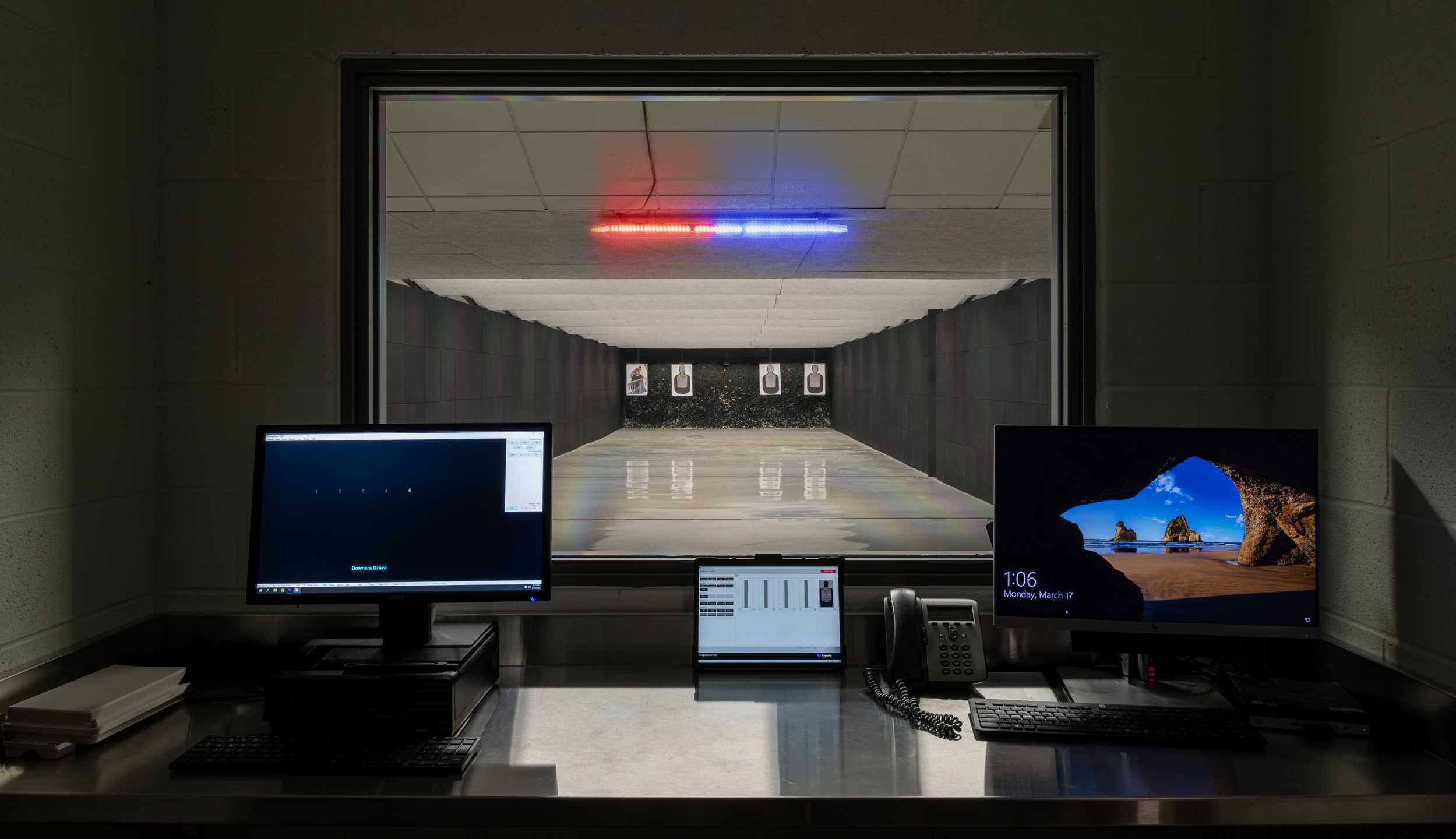
First, Lee went into what separates a law enforcement firing range from a commercial range. “Commercial ranges tend to be in a static position. You stand at a line, and you shoot. Most ranges were like that up until about the 1990s. Even law enforcement ranges. We stand at a line, we shoot. So, fixed positions, booths, target retrievers, the whole nine yards,” he says.
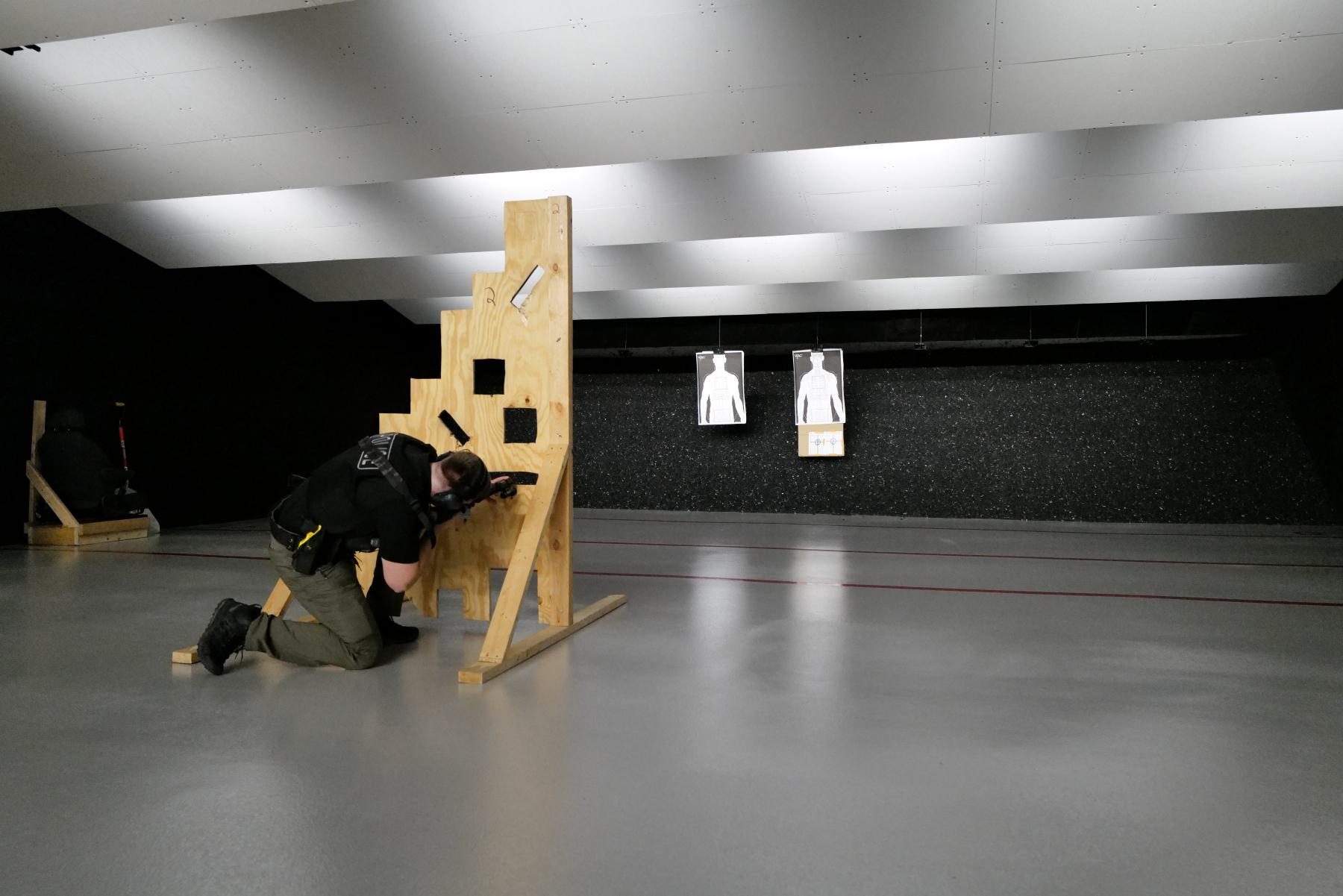
“Law enforcement ranges today allow for dynamic training," says Ray. "We move around and shoot. We do different things. We don’t always put booths in there. We don’t always put target retrievers in there. We do a lot of different things within it.”
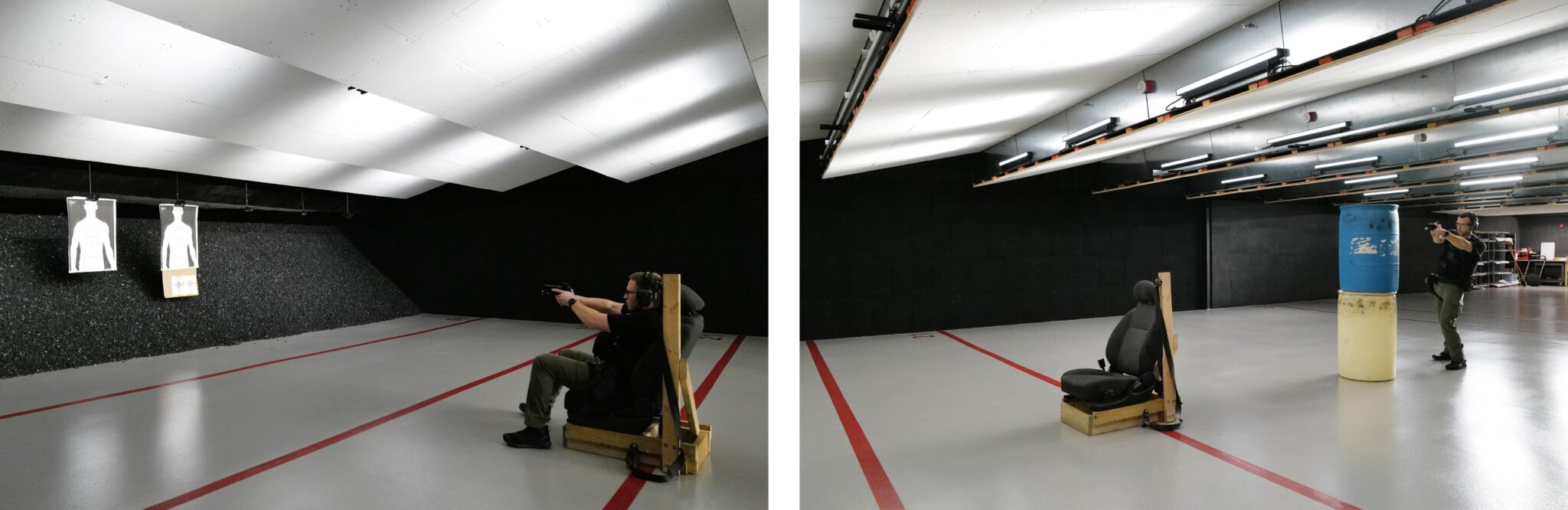
Because of this, he says there are more concerns designing a law enforcement range compared to a commercial range. This includes space concerns and the ability to use material props and other elements like sound, lighting and building materials.
Range training
According to Lee, one of the questions he gets asked the most by law enforcement agencies is what kind of training they can do in a range besides simply qualifying…