
Back
FGMA Congratulates Paul Klee on his Elevation into AIA’s College of Fellows

FGMA is pleased to announce that Principal Paul Klee has been elevated into the American Institute of Architect’s (AIA) College of Fellows. Granted to only 3% of AIA members, this prestigious designation is AIA’s highest membership honor, recognizing architectural excellence and significant contributions to the profession and society.
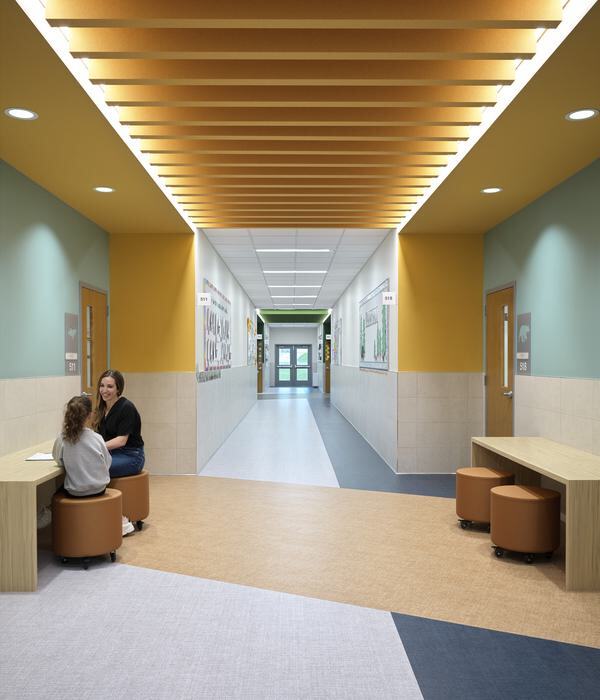
Paul’s induction reflects his work on technical advancement of the practice, particularly his new PK-12 design framework for the 21st century: Next Generation Learning Guiding Principles. The framework emphasizes student-centered learning, community connection, adaptability and long-term value.
With more than three decades of experience designing schools nationwide, Paul leads FGMA’s PK-12 education practice in Virgina, Washington, D.C. and Maryland.

“School buildings do more than house learning — they shape culture, safety and opportunity,” said Paul Klee, principal at FGM Architects. “Our goal is to help communities in Virginia, Washington, D.C. and Maryland create learning environments that earn trust, support educators and prepare students for what’s next.”

A Career Spent Optimizing Learning Environments
Paul’s commitment to PK–12 design stems from a deep belief that the primary and secondary school years are the most formative in shaping character, confidence and lifelong expectations. Creating inspiring spaces that equip the next generation with the tools for success has been a source of purpose and meaning in Paul’s life. In addition to his designs, he has been extraordinarily active in professional and educational presentations and publications, awards, mentorship and professional affiliations.
His work speaks for itself, having completed 104 K–12 schools — 44 elementary, 19 middle and 41 high schools — earning 91 project awards. More than two million students have learned in schools he designed, a lasting testament to the power of thoughtful educational architecture.
Paul’s vision for the next generation emerged as both a response to outdated, rote-learning school models and a passionate endorsement of student-centered, community-driven education. He recognized that traditional facilities were not keeping pace with rapid social and technological change, increasingly diverse student populations, or the expanded role schools play in supporting student wellbeing.
"Schools had to do more than house instruction," said Paul. "They needed to nurture the whole child."
His guiding principles for learning environments include spaces that spark curiosity, encourage collaboration, support diverse teaching methods, and provide areas for discovery, teamwork and quiet focus. These principles include:
- Make Design Inclusive and Engaging
- Support Diverse Learning and Teaching Modes
- Develop the Whole Child
- Celebrate Community and Culture
- Secure Schools are Nurturing
- Design for Economy and Evolution
News & Insights
All Articles
Community Engagement Shapes Meaningful School Design