

Back
Today’s Schools Need Research and Information Gathering Spaces
Innovative learning environments provide spaces that encourage students and teachers to engage in investigative conversations, conduct peer reviews, develop research skills and present their learning publicly.
Research and information gathering are foundational skills in education, teaching students how to think critically, analyze data and communicate their findings. Both teachers and students need to know how to find, evaluate and synthesize information to ensure that learning is not just about memorization, but also about applying knowledge in meaningful ways. By developing research skills, schools prepare students to become independent learners, capable of navigating the vast amount of information available in the world. This is essential not only for academic success but also for developing lifelong skills of inquiry, problem-solving and informed decision-making.
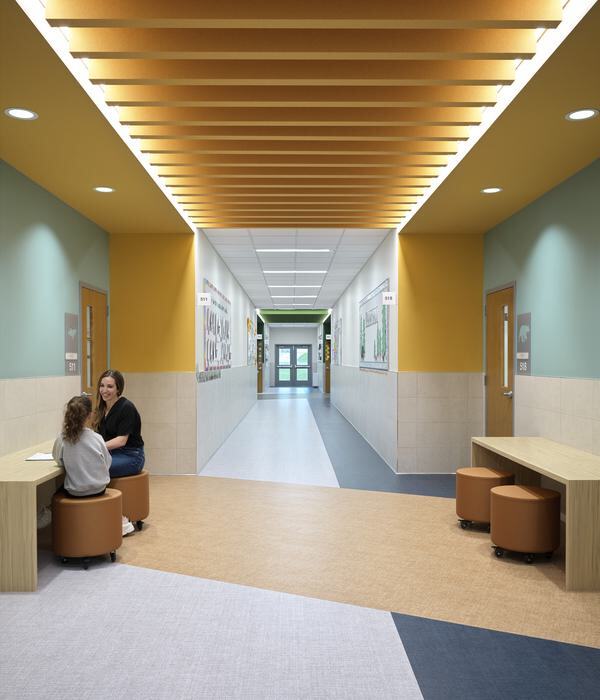
Spaces in innovative learning environments should encourage students and teachers to engage in investigative conversations, peer reviews, personal contemplation and much more. They should actively invite in outside industry/business partners and experts to mentor students and provide real-world feedback on projects founded in authentic, factually-based learning criteria. Small group rooms can be used for targeted instruction or facilitated learning encounters. These spaces combine the students’ strengths for individual and group work to allow them to fully understand the interdisciplinary relationship between learning objectives and how to learn. Small group spaces encourage collaborative, breakout teams.
Read the full story at Next Generation Learning Challenges >>


News & Insights
All Articles
From Halls Hill’s Legacy to Design Excellence: Arlington Fire Station 8 Earns 2025 DESIGNArlington Merit Award
